See firm performance clearly
Bring matter, time, and billing data together into reporting partners can actually use, built on the systems your firm already runs.
Jinka for the legal sector
Your firm already runs on data, spread across the tools you bill and practice in.
Jinka connects matter, time, and billing data from Clio and the systems you already use into clear reporting and defensible AI. Partners get a straight view of performance and billing integrity, without another platform to run.
The AI efficiency paradox for law firms
AI makes individual tasks faster, but faster work can erode the billable hour and the trust behind it. The firms that come out ahead measure the shift instead of assuming it.
Read story
Where we can help
Bring matter, time, and billing data together into reporting partners can actually use, built on the systems your firm already runs.
Make AI-assisted work and billing entries auditable, so they hold up to client guidelines and bar scrutiny.
Integrate Clio and the connected tools you practice in, without exporting your firm into another platform to maintain.

Built on your stack, not another one
Your firm already runs on data spread across the tools you bill and practice in. Jinka connects it into clear reporting and defensible AI, so partners can read performance and protect billing integrity without learning another system.

The Jinka Legal Analytics Platform
We connect the data your firm already captures into reporting you can act on, with the controls that keep billing and AI use defensible. The one-pager walks through what it covers and how an engagement starts.
Legal insights

AI changes how legal work is performed, but it does not remove the duties behind reasonable fees, supervision, and accurate billing.
ReadAgentic AI moves beyond assistance into coordinated legal workflows, forcing firms to rethink pricing, governance, and delivery.
Read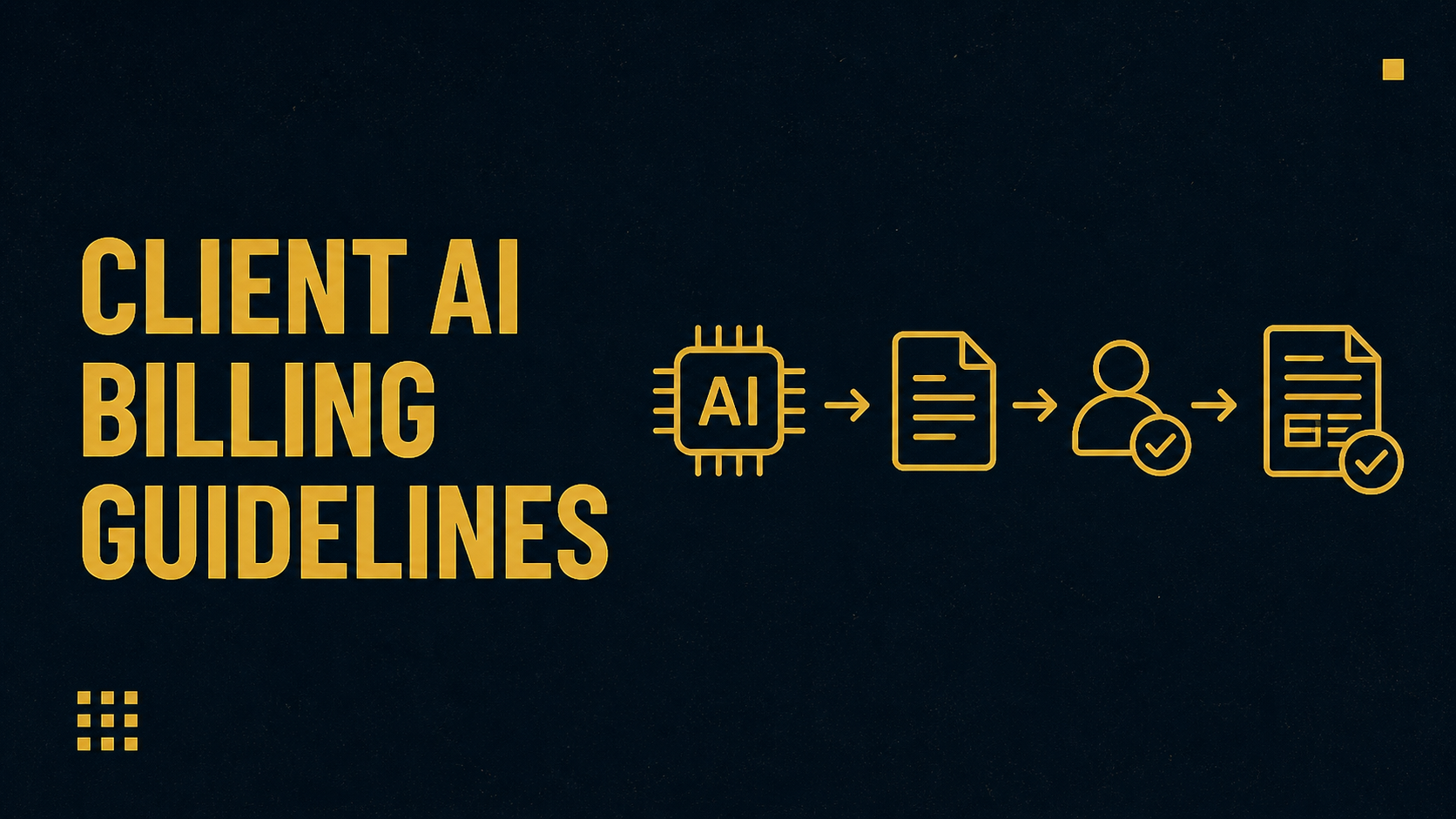
Clients are starting to define how AI-assisted legal work should be disclosed, reviewed, staffed, and billed.
ReadWe review your tools, access, and existing licenses with the people who run practice operations and IT, then agree on improvements that fit the environment your firm already supports.
Define the priorities
Find where disconnected records and manual reporting slow partners down, and which capabilities in Clio and your current tools can help.
Put the plan into practice
Connect the systems you already rely on and configure reporting and AI-assisted workflows around the way the firm works, with billing integrity built in.
Law firm partners, legal operations and finance leads, and IT teams that want clearer reporting and defensible AI from the tools they already use, from single-office practices to multi-office firms.
Yes. The Clio ecosystem is familiar territory for us, and we integrate with Clio and the connected tools your firm already practices and bills in rather than replacing them. Where a firm uses a different practice-management system, we assess what its interfaces and exports support.
We build reporting and AI-assisted workflows so entries stay auditable: what was done, by what, and on which matter. The aim is work that holds up to client billing guidelines and professional-conduct expectations, agreed with your finance and compliance leads before anything goes live.
We work inside your environment and access controls, with least-privilege access to only what a task needs, and we agree on handling, retention, and access before any work starts. Where possible we read from approved exports rather than moving data out, and your data stays governed by your own policies and client obligations.
Our starting point is the software and licenses you already have. We check the available features and integrations during the assessment and agree on a scope that works within them. If a requested capability needs an additional license, we make that clear before you decide.
The focus is integrating and configuring existing tools, not introducing a separate application for your firm to support. We look for a maintainable setup in your current environment and explain any limitations before agreeing on delivery.
We usually begin with a short, scoped assessment of your tools, access, and the reporting you want to improve, with scope and cost agreed up front. It is a low-commitment way to see what is practical before any larger work, and from there you decide whether to continue.
Your next reporting priority
Show us where reporting, billing review, or matter visibility takes more effort than it should. We will help identify practical improvements within your current setup.
Talk through your firm's data